
How Australian, Snakes and Opals
12th March 2026 - Customer Locations: Sunshine Coast & Cairns
Snakes skin wedding ring in 14ct yellow gold.
The above ring is the mens version of a matching bridal set. The ladies ring I am making now and we have spent the last few weeks modifying a draft to get the size perfect before making the actual ring. The reason being is that optimally resizing a ring like this is near on impossible.
A small heirloom diamond hammer set to the inside of the ring.
A small diamond that has sentimental value to the wearer was hammer set to the inside of the ring. Setting a diamond into a ring design like this can be a bit nerve wrecking. Once the diamond is initially seated with this style of setting, with no hole behind it, straightening the gem or removing it is nearly impossible if it gets stuck. The solution:
smash the diamond and set another.
drill a hole in the top of the ring so that you can push it out and then repair the hole.
remake the ring.
None of those options are very appealing to me and fortunately the diamond set well. A Ruby will be set into the inside of the ladies ring.
Hello my old friend Opal
Lightning Ridge Black Opal and diamond engagement ring.
Over the years I have been asked many times to make engagement rings using opals as the gem. My advice to almost all of them is “do not do it!”.
Article: My old friend Boulder Opal
Above is an engagement ring made back in 2025. Actually it is a remake of a brand new ring poorly made elsewhere ………you can read more in the blog link posted below.
Article: Here we go yet again....another remake of a near new ring.
Before I remade the ring I ensured that the customer knew that Opal does not suit everyday wear. It scratches and chips readily and does not like extreme temperature changes due to its high water content trapped in the silica structure of the gem.
It was only after the customer agreed that the opal would only be worn on special occasions that I made the ring.
What to expect your Opal to look like if you wear it like a diamond ring
An Opal engagement ring purchased elsewhere.
Fast forward to 2026 and this is an Opal engagement ring purchased elsewhere that was shown to me. No wear/care/warning advice was given at the point of sale that I know of. With the customers permission I want to show you what a disaster Opal can be as an everyday wear.
Metal unevenly set and a mystery substance between the opal and the metal setting.
As we zoom into the opal we can see large chips in the gem. The once polished surface of the opal is now duller due to scratches over the entire gem. Opal damages so easily compared to gems like diamonds and corundum. Opals need to be worn with care.
Moving on to how the ring was made :(
That dark substance between the opal and the metal. What could it be?
A setting with metal all the way around the gem is called a bezel. It is often considered as the safest and most protective way to set an Opal.
A fair bit of force needs to be applied to get that metal to bend over an opal. This takes skill to do even when the setting it optimally suited to take the opal.
Notice how the metal is not all the way over in this setting in parts and a dark substance is between the metal and the opal. More on this shortly. Often opals are calibrated to standard sizes so that they can fit into mass produced rings to cut down on labour.
The glue is attracting a lot of other things over time.
The trouble with opal is that the calibration is never as accurate as we get with faceted gems. Most opals are cut by hand and to a thickness that maximises colour. Two gems might both be about the size of an 8x6 mm calibrated oval from the top view but one thicker than the other and the side profiles different.
This puts even more emphasis on the skill of the setter as they work with a delicate gem and a setting less than ideally made for the shape of the gem. The solution for many lacking skill, or with a desire to cut corners, is to get the Opal in close enough and glue it tight. That was the case with this gem, it is glued in.
That ring is way too thin to survive normal wear and resizing.
Next we move onto a pet dislike of mine……resizing brand new rings. This ring is only .81mm thin at the point it was resized when it was sold. Being that thin the join has very little chance of survival. it should be at least 1.3mm to 1.5mm thick at the base in my opinion.
Article: Why you should avoid resizing a new ring
Resizing brand new rings way past their limits is only accepted in the jewellery industry because many sellers care more about taking your money than they do about the ring they are selling you.
The join giving way ….as predictable as the sun rising in the morning.
Here we can see that the join has already started to break. Once again no surprise but what is a bit of a surprise is how poorly the ring was resized.
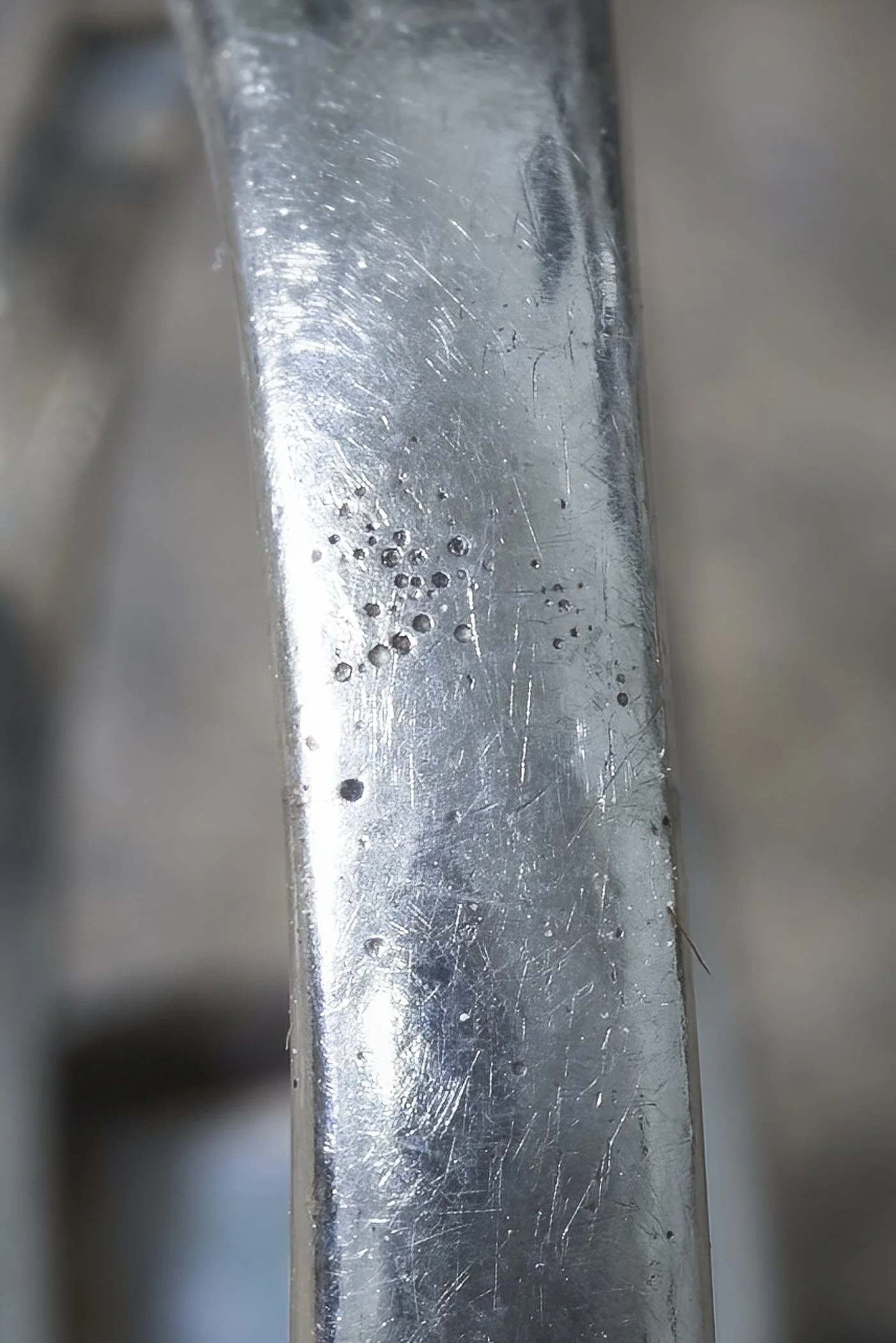
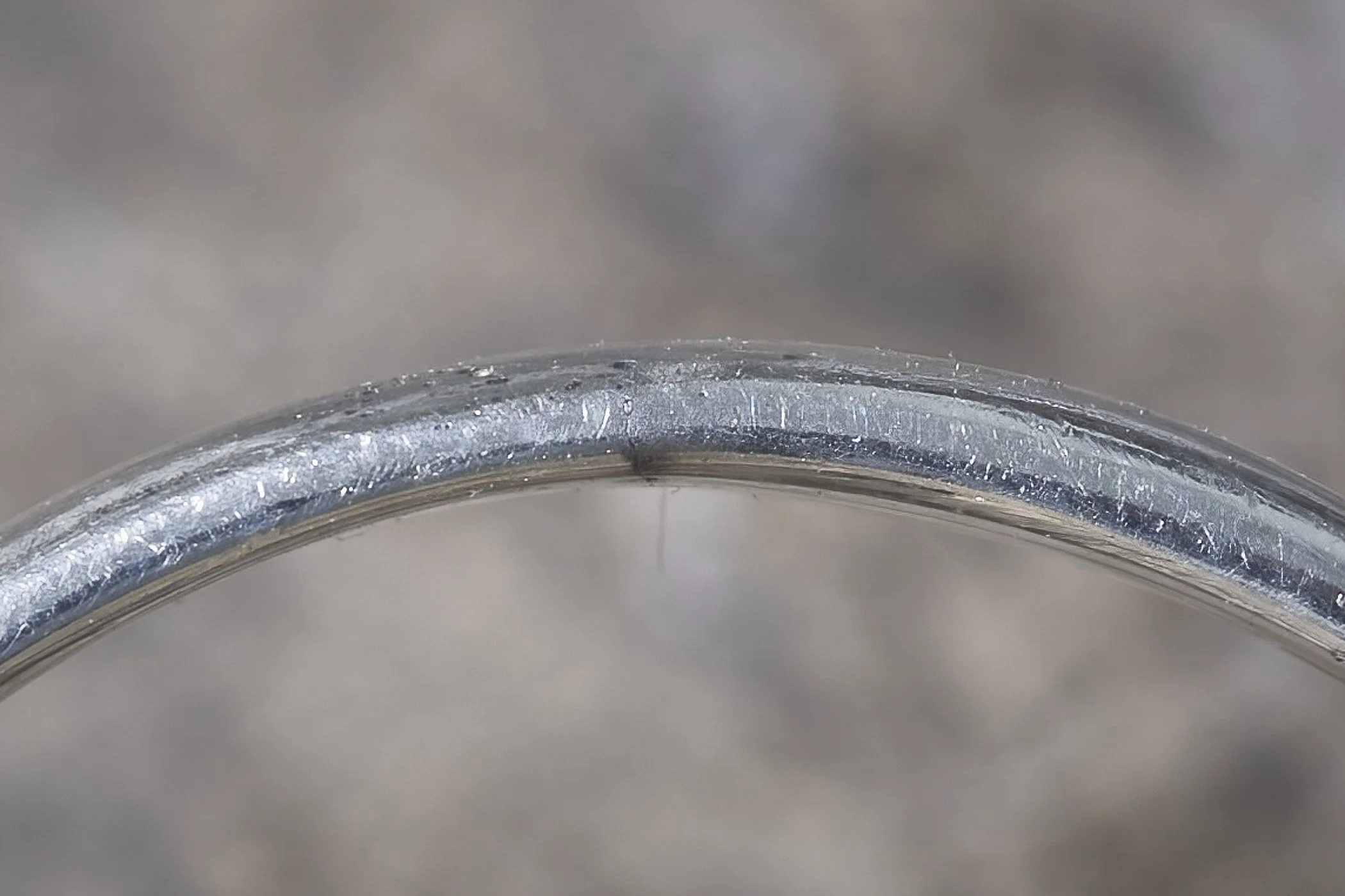
In the images above you can see a large amount of porosity. This is over heated solder and the ring is pretty much non repairable from here. Very sad for a ring so close to new.
Some questions raised and answered
Question: Can the Opal be recut and polished without major loss of the gems size?
Answer: No.
Question: Can the ring be repaired?
Answer: No.
This ring is totally destroyed. The replacement engagement ring I made I have shared in a previous blog post and below are images of it.
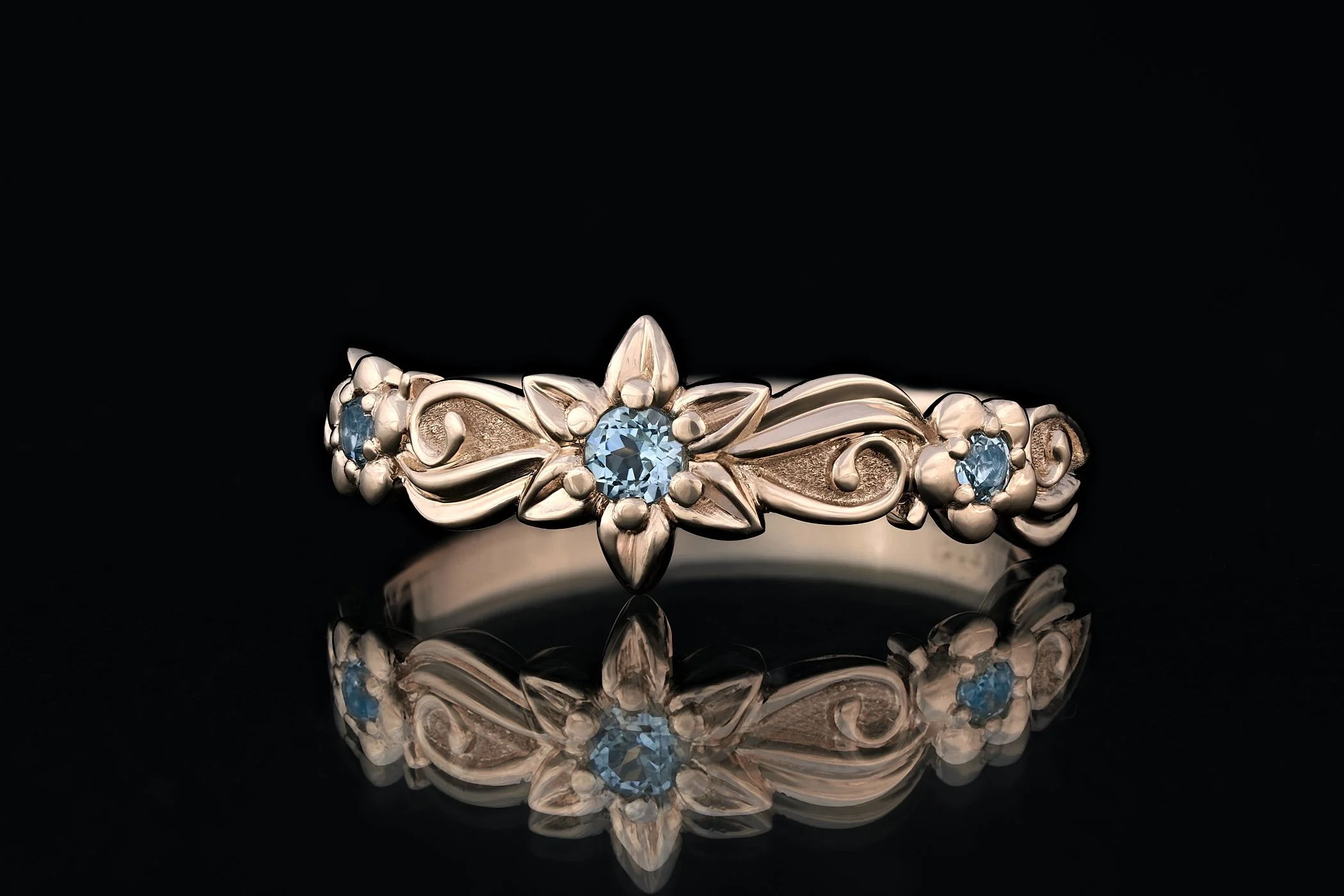
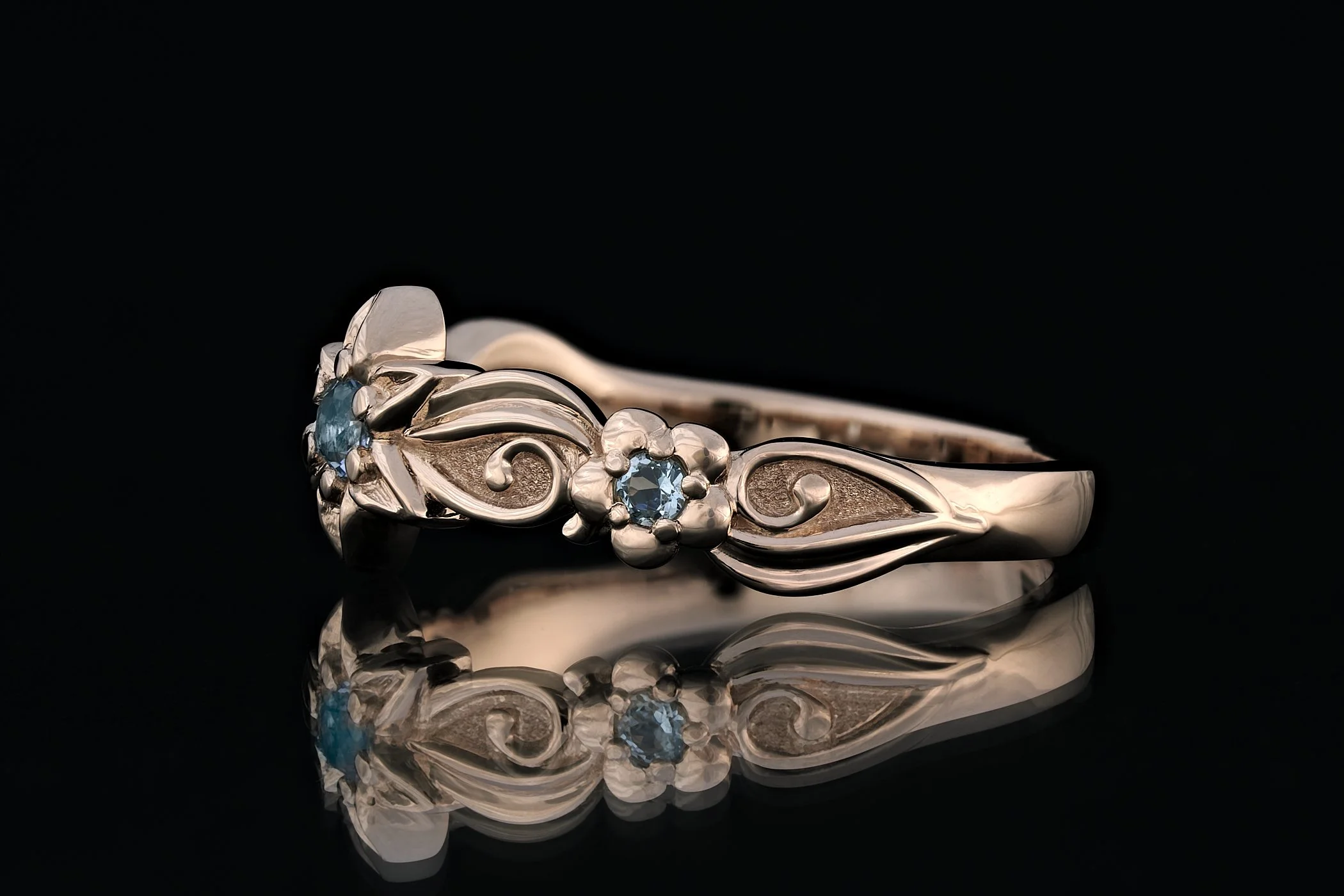
if you are a regular visitor to my site you will have noticed I am posting far less. Good photos take so long to take and process that I have cut way back and now limit them to pieces quite different to ones I have made in the past. Have a great week.